Energy-Saving Electrical Upgrades for BC Homes
Home Improvement, Energy Efficiency, Electrical Upgrades
Simple Energy-Saving Electrical Upgrades for BC Homes
Lowering your hydro bill doesn’t have to mean major renovations or living in the dark. With a few smart, simple electrical upgrades, BC homeowners can cut energy use, boost comfort, and make their homes more resilient in every season.
Why Small Electrical Changes Matter in BC
British Columbia’s climate is unique: cool, damp winters, long evenings, and bright summer days. That means we use a lot of electricity for lighting, heating, and hot water. While BC Hydro’s power is relatively clean, wasting it still shows up on your bill. The good news is that many of the most effective energy-saving upgrades are simple, affordable, and can often be done in a weekend—some even in an afternoon.
Below are practical, low-disruption electrical upgrades tailored to BC homes. Many can be DIY if you’re comfortable and follow safety rules, but anything involving wiring changes, panels, or new circuits should be done by a licensed electrician familiar with local codes and BC Hydro requirements.
1. Switch to High-Quality LED Lighting Everywhere
If you still have incandescent or older CFL bulbs, replacing them with ENERGY STAR certified LEDs is one of the fastest ways to cut electricity use. LEDs use up to 75–80% less energy and last years longer, which is especially helpful in BC’s darker winter months when lights are on for longer stretches of the day.
Choose colour temperature around 2700K–3000K for warm, cozy living spaces, and 3500K–4000K for kitchens, bathrooms, and work areas.
Match brightness using lumens, not watts. For a 60W equivalent, look for about 800 lumens.
Pay attention to packaging that says dimmable if you already have or plan to install dimmer switches.
💡 Pro Tip: Start with the lights you use the most—kitchen, living room, and exterior fixtures that stay on for hours each evening. That’s where you’ll see the biggest savings first.
2. Install Smart Thermostats and Programmable Controls
Many BC homes rely on electric baseboard heaters or electric furnaces. A simple thermostat upgrade can make a big difference. Smart and programmable thermostats automatically reduce heat when you’re asleep or away, and warm things up before you need it—without you having to remember a thing.
For baseboard heating, look for line-voltage smart thermostats specifically designed for 120/240V systems common in BC homes.
Program lower temperatures overnight and during work hours—often just a 1–2°C reduction can trim heating costs without sacrificing comfort.
Use smartphone apps to adjust settings when your schedule changes or you’re away on a trip.
📌 Key Takeaway: Heating is often the largest portion of a BC home’s electricity use. Smarter control of when and how you heat can deliver noticeable savings with minimal lifestyle changes.
3. Add Motion Sensors and Timers in High-Traffic Areas
Lights left on in hallways, stairwells, garages, and outdoor areas are a quiet drain on your bill. Occupancy sensors and timers solve this automatically by turning lights off when no one is around, or after a set period.
Install motion-sensor switches in mudrooms, laundry rooms, and kids’ bathrooms where lights are easily forgotten.
Use outdoor dusk-to-dawn sensors or timers for porch and driveway lights, especially helpful during BC’s short winter days.
Combine sensors with LED fixtures to keep energy use low even when lights are triggered frequently.
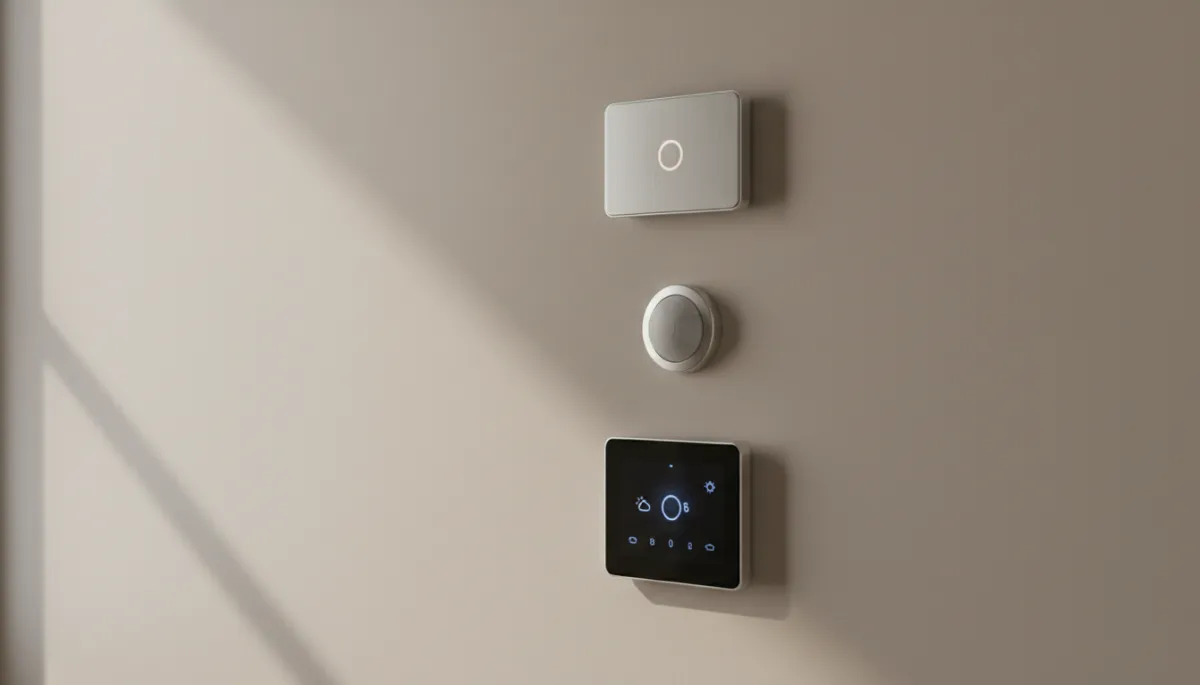
Smart controls prevent wasted lighting and heating without relying on daily habits.
4. Use Advanced Power Bars and Smart Plugs to Tackle “Phantom” Loads
Many electronics draw power even when they appear off—TVs, game consoles, cable boxes, printers, and chargers are common culprits. These standby or phantom loads can quietly add up, especially in tech-heavy households.
Upgrading to advanced power bars and Wi‑Fi smart plugs makes it easy to shut off power when devices aren’t in use:
Use a master-controlled power bar for entertainment centres—when the TV turns off, it cuts power to peripherals like sound bars and streaming boxes.
Schedule smart plugs for home office equipment so printers and monitors turn off automatically after work hours.
Use smart plugs on space heaters only if they are rated for the load and you follow all safety recommendations—when in doubt, consult an electrician.
⚠️ Safety Note: Never daisy-chain power bars or overload outlets. If you find yourself constantly adding extension cords, it’s time to talk to a professional about adding circuits or outlets.
5. Upgrade Bathroom and Kitchen Fans for Efficient Ventilation
In BC’s damp climate, good ventilation protects your home from moisture, mould, and stale air. Older exhaust fans can be noisy, inefficient, and often left running far longer than needed. Upgrading to quiet, efficient fans with built-in timers or humidity sensors saves both energy and your ears.
Choose ENERGY STAR rated fans sized correctly for your room’s square footage and ducting.
Install timer switches so fans run just long enough to clear moisture after showers or cooking.
Consider humidity-sensing fans that turn on and off automatically when moisture levels rise or fall.
6. Consider Heat Pump Water Heaters and Efficient Appliances
While replacing major appliances is a bigger investment, choosing high-efficiency models when things naturally reach the end of their life can significantly reduce your long-term energy use. In BC, hot water is another big piece of the energy puzzle, particularly in all-electric homes and suites.
When your water heater needs replacing, explore heat pump water heaters, which use far less electricity than standard electric tanks and can work well in many BC basements and utility rooms.
Look for ENERGY STAR labels on fridges, dishwashers, and laundry appliances. These models are designed to minimize both electricity and water use.
Ask your electrician whether your panel and wiring are ready for new high-efficiency equipment, especially in older BC homes.
7. Improve Your Home’s Electrical “Backbone”
Some of the most effective energy-saving upgrades are invisible but essential. If your home is older, its electrical system may not be optimized for today’s loads or efficient equipment. While this isn’t a quick DIY project, it’s worth considering when planning renovations or adding new electrical features like EV chargers or heat pumps.
A licensed electrician can assess your panel capacity, wiring condition, and outlet placement to reduce overloaded circuits and heat loss in wiring.
Upgrading to modern, properly sized circuits supports efficient appliances and reduces nuisance tripping and potential hazards.
Adding outlets in the right places helps you avoid extension cords and power bars that can waste energy and create clutter.
💡 Pro Tip: If you’re already opening walls for a renovation, it’s the perfect time to run new wiring, add dedicated circuits, or plan for future upgrades like EV charging or a heat pump.
8. Take Advantage of BC Incentives and Home Energy Checkups
One advantage of living in BC is access to a range of rebates, incentives, and programs that encourage energy efficiency. While specific offers change over time, it’s worth checking BC Hydro, CleanBC, and municipal programs before you upgrade major equipment or undertake bigger electrical projects.
Look for incentives on heat pumps, heat pump water heaters, and high-efficiency appliances, which can significantly reduce upfront costs.
Consider a home energy evaluation through recognized programs. An energy advisor can pinpoint where electrical upgrades will have the greatest impact in your specific home.
Keep receipts and product details—rebate applications often require proof of purchase and efficiency ratings.
Bringing It All Together: A Simple Upgrade Plan for Your BC Home
You don’t need to tackle everything at once. The most successful energy makeovers happen in stages. Start by walking through your home and making a quick list of opportunities:
Lighting: Replace remaining incandescent and CFL bulbs with LEDs, then add dimmers or sensors in key rooms.
Controls: Upgrade thermostats, install timers on bathroom and kitchen fans, and use smart plugs where standby loads are high.
Equipment: Plan ahead for efficient replacements when water heaters or major appliances reach the end of their life.
Infrastructure: For older homes or bigger plans, book an electrical assessment to ensure your system is safe, efficient, and ready for future upgrades.
Over time, these simple energy-saving electrical upgrades can add up to meaningful reductions in your monthly BC Hydro bill, a more comfortable home, and a smaller environmental footprint. Most importantly, they give you more control—over when and how you use electricity, without sacrificing the warmth and convenience that make your home feel like home.
Whether you start with a single smart thermostat or a full lighting makeover, each step moves your BC home toward being more efficient, resilient, and future-ready. The key is to start—one switch, one plug, and one smart decision at a time.